Arthritis makes everyday tasks feel harder. Stiff joints, swelling, and chronic discomfort can limit how you move. Many people seek help but don’t always know what works best. One proven option is manual therapy for arthritis pain. This hands-on treatment, used by trained movement specialists, helps reduce pain, improve joint mobility, and support safer movement without the side effects of medications.
What Is Manual Therapy for Arthritis Pain?
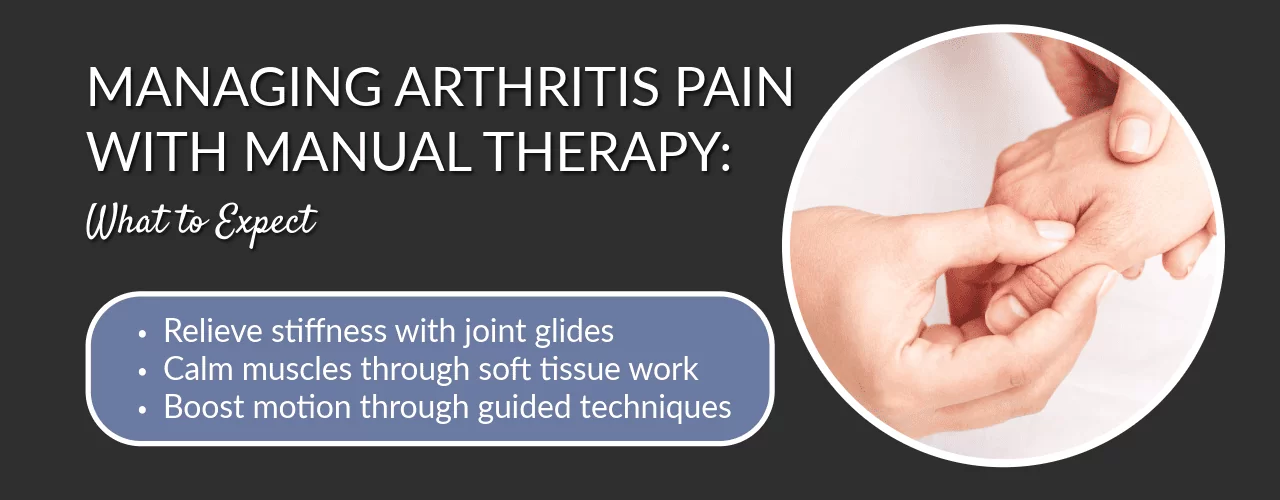
Manual therapy involves skilled, hands-on techniques that physical therapists or joint care providers use to treat pain and stiffness. It isn’t the same as a massage. Instead, it includes joint mobilizations, muscle release techniques, and guided movements. For arthritis, this can mean improving how a joint moves and reducing tension in the surrounding muscles. These changes help people walk, bend, or reach with less discomfort.
By focusing on specific joints and soft tissue, manual therapy supports better blood flow, encourages movement, and eases joint pressure, all without invasive procedures.
Manual Therapy for Arthritis Pain: Myths vs. Facts
Misinformation often keeps people from getting the treatment they need. These five myths about manual therapy and arthritis cause unnecessary fear or false hope. Here’s what you should know.
Myth #1: Manual Therapy Just Means Massage
Fact: Massage is only one part of what manual therapy includes. Therapists also use techniques like joint mobilization and muscle energy methods. These approaches target deep joint movement and help improve alignment and flexibility. For arthritis, these methods help relieve stiffness that massage alone can’t reach.
Myth #2: Manual Therapy Can Cure Arthritis
Fact: No therapy can cure arthritis. Manual therapy cannot reverse joint damage caused by arthritis. But it can help control symptoms. People who use manual therapy regularly often see less pain, better movement, and more confidence with daily activities. It’s part of a complete care plan, but not a cure.
Myth #3: It’s Too Painful for Seniors or Those with Severe Arthritis
Fact: Skilled therapists adjust techniques based on each person’s condition and pain levels. Gentle, slow joint movements or soft tissue work can feel soothing, even for people with severe arthritis. Most patients describe their sessions as comfortable and helpful.
Myth #4: You Should Rest Completely During an Arthritis Flare
Fact: While it may seem like a good idea, too much rest causes joint stiffness and muscle weakening. Prolonged rest can also reduce proprioception, which is your body’s ability to sense movement and position. A therapist can guide you through safe, light movements that reduce pain without straining the joints. These activities support better healing than full rest.
Myth #5: Manual Therapy Is a One-Time Fix
Fact: One session won’t solve chronic joint pain. Manual therapy works best when it’s part of a consistent, guided plan. Therapists may combine hands-on care with strengthening and stretching exercises to restore mobility and function. Over time, these efforts help reduce symptoms and improve how you move.
How Pinnacle Physical Therapy Supports Safe, Evidence-Based Arthritis Relief
Pinnacle Physical Therapy provides experienced care that’s based on science, not assumptions. Our movement specialists use manual therapy for arthritis pain to help people feel and move better. We tailor each treatment plan to your needs, comfort level, and goals.
Our care approach includes:
- One-on-one sessions with licensed providers
- Gentle joint mobilizations to ease stiffness
- Soft tissue techniques that reduce muscle tension
- Education on home exercises and movement strategies
Whether your arthritis is mild or more advanced, we’ll help you stay active, reduce discomfort, and protect your joint health.
Want Relief That Lasts? Let’s Talk.
If you’ve been struggling with arthritis, manual therapy for arthritis pain may help you move more freely and with less pain. Contact Pinnacle physical therapy today to schedule an appointment or speak with one of our trusted joint care providers.